Can I get out of a business energy contract?
Can you get out of a business energy contract early? When exit fees apply, microbusiness rules, moving or closing, deemed contracts and mis sold deals.
Read articleYour business utility bill explained line by line. What each charge on your electricity, gas and water bill means, how to spot mistakes and how to pay less.
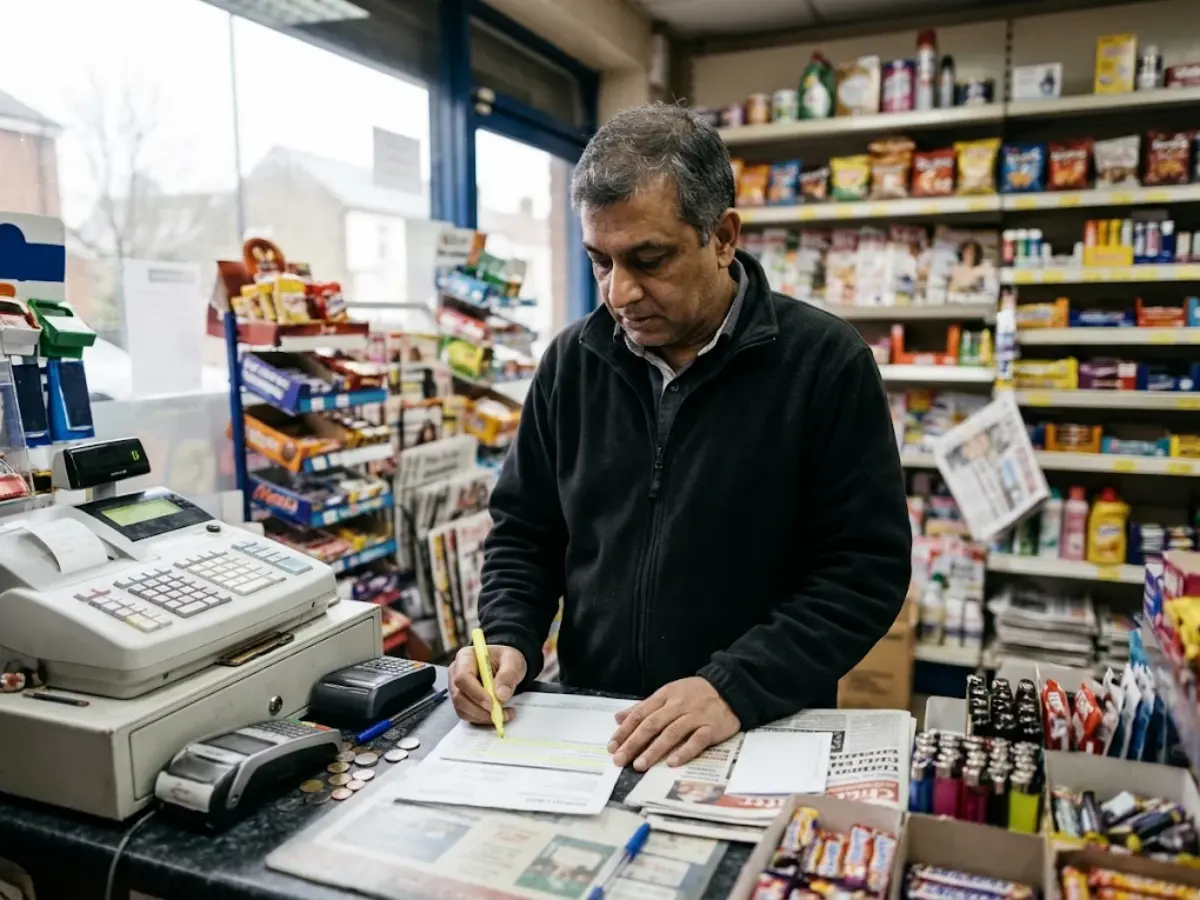
A business utility bill shows what you used, the prices you pay, the taxes on top and the key details of your account. Most businesses get separate bills for electricity, gas and water. Knowing what each line means helps you spot mistakes, check you are on the right rates and find your contract end date, the most useful detail when you come to compare.
| Line on your bill | What it means | What to check |
|---|---|---|
| Account number | Your account with the supplier | Quote it whenever you contact them |
| MPAN or MPRN | The ID of your electricity or gas supply | Matches the meter at your premises |
| Billing period | The dates the bill covers | No gaps or overlaps with the last bill |
| Meter readings | Previous and current readings | E means estimated, A means actual |
| Units used | Your consumption in kWh | Compare with the same period last year |
| Unit rate | Price per kWh | Matches your contract |
| Standing charge | Fixed charge per day | Matches your contract |
| Capacity charge | Payment for reserved kVA, on larger supplies | Your agreed capacity is not far above your peak |
| Climate Change Levy | Environmental tax per kWh | Exempt if you are a very low user |
| VAT | 20% or 5% | You are on the right rate for your usage |
| Contract end date | When your fixed deal ends | Diary it and compare before then |
Your MPAN number also tells you whether your supply is half hourly. If it starts with 00, see our guide to half hourly meters for the extra charges you may see.
| Line on your bill | What it means |
|---|---|
| Supply point ID | The ID of your water or wastewater supply |
| Fresh water | Water used, charged per cubic metre if metered |
| Wastewater | Taking away used water, usually based on fresh water use |
| Surface water drainage | Rainwater from your property going into the public sewer |
| Highway drainage | Your share of draining rainwater from public roads |
| Standing or fixed charges | Charges for your meter and connection |
Water supplied to most business premises is zero rated for VAT. Our guide to business water rates explains each charge in more detail.
If something is wrong, contact your supplier in writing with an actual reading. If it is not sorted within eight weeks, micro and small businesses can go to the Energy Ombudsman.
Your bill has everything a broker needs to find you a better deal: your usage, your meter numbers and your end date. See how small business energy deals work, read about the cheapest business electricity tariff, then tell us your contract end date on our free quote form and a trusted UK broker will compare suppliers for you.
A utility bill is a bill for an essential service supplied to a property, such as electricity, gas or water. For a business, each one is usually a separate bill from a separate supplier, and each shows your usage, prices, taxes and account details.
It is a fixed daily charge you pay whatever you use. It covers the cost of keeping your supply connected and running your account. On business energy it is set in your contract, so compare it alongside the unit rate.
E means the reading was estimated by your supplier and A means it was an actual reading. Too many estimated readings can lead to large catch up bills, so send your own readings regularly.
The Climate Change Levy is an environmental tax on business energy. From 1 April 2026 the main rate is £0.00801 per kWh for both electricity and gas. Very low users and domestic or charity use are usually exempt.
Most business electricity and gas is charged at 20% VAT. Businesses using no more than 33 kWh of electricity or 145 kWh of gas a day should pay 5%. Water supplied to most business premises is zero rated.
Check the meter readings, dates, rates and VAT against your contract. Send an actual reading and contact your supplier in writing. If it is not resolved within eight weeks, micro and small businesses can go to the Energy Ombudsman.

Can you get out of a business energy contract early? When exit fees apply, microbusiness rules, moving or closing, deemed contracts and mis sold deals.
Read article
How to find the cheapest business electricity tariff. Why there is no single cheapest deal, what drives the price and how to compare quotes properly.
Read article
How to switch business water supplier in England and Scotland. Who can switch, how it works, what changes, what stays the same and the checks to make first.
Read articleTell us when your contract ends and get a free, no obligation quote from a trusted UK broker.